CATALOGUE PHOTOS
Parts shown clearly
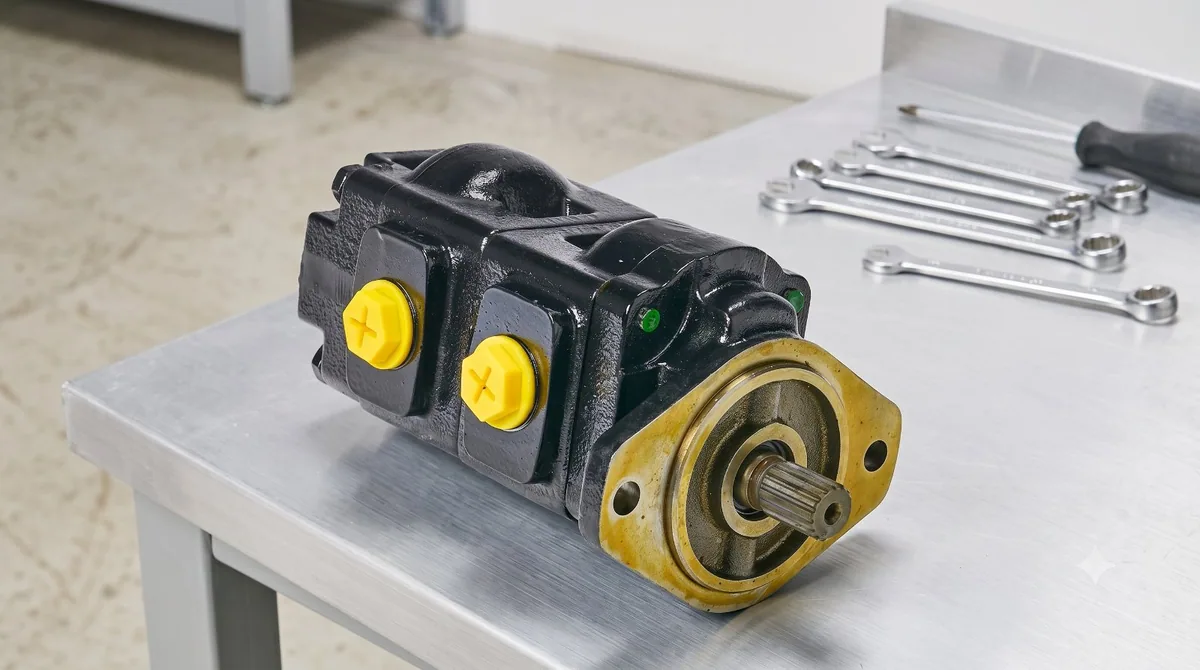
Possible warning signs
- Hydraulic functions become slower under load
- Lifting or digging force feels reduced
- New whining, rattling or cavitation-like noise
- Hydraulic oil temperature rises unusually
- Movement becomes jerky or inconsistent
- External leakage appears around the pump or connections
Checks before blaming the pump
First check the correct oil level and condition, filter restriction, suction hose condition, air entry, visible leaks and whether one or every hydraulic function is affected. A pressure and flow test performed under the correct conditions provides far better evidence than sound or feel alone.
SafetyHydraulic systems store high pressure. Do not search for leaks with your hand or loosen pressurised connections. Diagnosis and repair should be performed by a trained technician.
Prepare the replacement enquiry
| Required detail | What to capture |
|---|---|
| Machine identity | Model, variant and serial number or PIN. |
| Pump identity | Manufacturer, plate number and every stamped reference. |
| Physical arrangement | Shaft, mounting, ports and hose positions. |
| Failure information | Symptoms, test results and contamination findings. |
| Photos | Complete pump plus close-ups of labels and connections. |
Protect the replacement pump
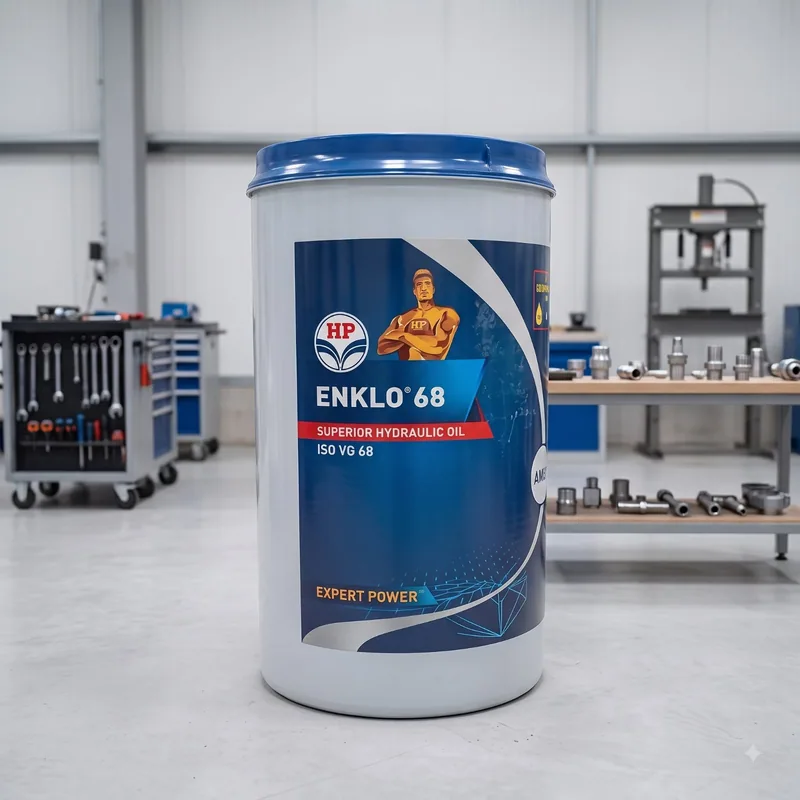
If a pump has failed, the cause and contamination risk should be investigated before a replacement is installed. A dirty reservoir, blocked suction path, incorrect oil or debris left in the system can damage new hydraulic components. Follow the machine service information and the installer’s flushing and priming procedure.